
Introduction:
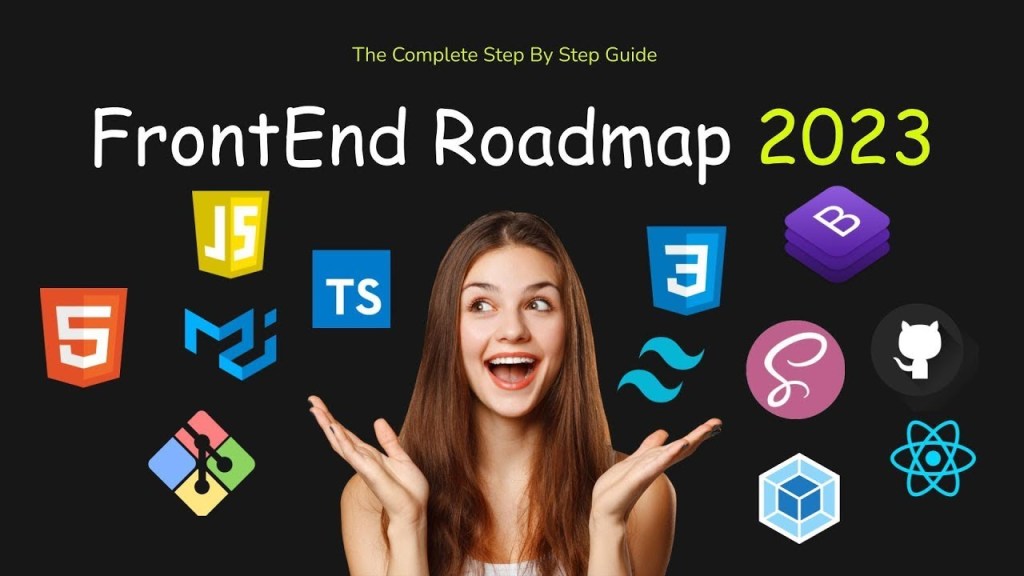
Front-end development is an attractive and in-demand career in the technology industry. With the rise of web applications and user interfaces, companies are always looking for skilled front-end developers. If you’re interested in designing, building, and maintaining visually appealing and interactive websites, becoming a front-end developer might be the right choice for you. This guide will introduce you to the basic skills, tools, and programs you need to start your journey as a front-end developer. 1. HTML (Hypertext Markup Language):
HTML is the foundation of any web page. As a front-end developer, you need to be proficient in HTML to organize and structure the content on your website. HTML provides the structure, headings, paragraphs, and links needed to create web pages. 2. CSS (Cascading Style Sheets):
CSS is a language used to style and design the appearance of web pages. Front-end developers should be proficient in CSS for laying out and decorating websites, including defining colors, fonts, margins, and arranging elements to create visually appealing interfaces .
3. JavaScript:
JavaScript is the basic programming language for front-end development. This allows you to add interactive and dynamic functionality to your web pages. Knowledge of JavaScript is required to create responsive menus, implement form validation, create animations, and manage user interaction.
Four. CSS preprocessor:
CSS preprocessors like Sass extend the power of CSS by adding variables, mixins, functions, and other features. These make CSS code more reusable, modular, and easier to maintain. Preprocessor experience can greatly improve your efficiency and productivity as a front-end developer.
Five. Version Control System (VCS):
A version control system like Git is an essential tool for any developer. With them, you can track code changes, collaborate with your team, and easily roll back to previous versions if necessary. Being able to use Git and understanding basic concepts such as branching, committing, and merging is invaluable.
6. Front-end frameworks/libraries:
Front-end frameworks and libraries such as React, Angular, and Vue.js help streamline the development process and provide ready-to-use components. Learning at least one popular framework can make you more versatile and in demand in the job market. 7. Responsive Design:
In today’s mobile-centric world, it’s important that your website looks and works well on all devices. Learn responsive design principles, CSS media queries, and frameworks like Bootstrap to create websites that adapt to different screen sizes and orientations.
8. Web performance optimization:
Optimizing website performance is essential to ensure a smooth and fast user experience. Gain knowledge of techniques such as minification, caching, image optimization, lazy loading, and HTTP request reduction to improve website loading speed. 9. Testing and debugging tools:
Front-end developers should be able to test and debug their code using the browser’s developer tools. Familiarity with testing frameworks and tools like Jest for JavaScript can help you identify and fix bugs effectively.
Conclusion:
Becoming a front-end developer requires dedication, continuous learning, and a passion for creating her websites that are visually appealing and user-friendly. By mastering HTML, CSS, and JavaScript, and familiarizing yourself with the latest front-end programs and tools described in this guide, you can build a successful career in front-end development.
 DigiWorld
Leave a comment